
What a yoga class taught me about the cost of never resting
Jul 10, 2026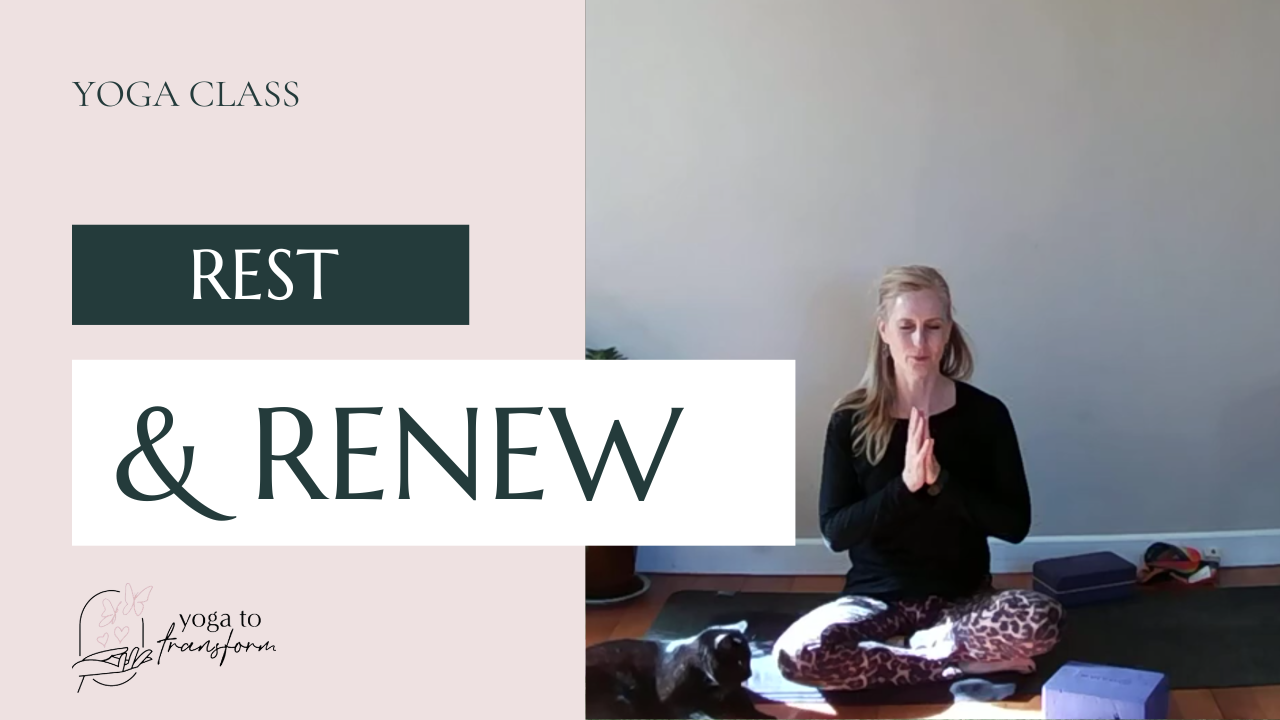
I caught myself doing it again this week. Mid-class, teaching a low lunge I've taught hundreds of times, I had to stop and remind my own body to untuck my back toes and let the foot soften. My system still defaults to gripping, even inside a practice built entirely around rest.
If it's happening to me, on my own mat, it's very likely happening to you too. Not in your foot necessarily. Maybe your jaw. Your shoulders, sitting up near your ears without your permission. The soft skin around your eyes, held tighter than it needs to be. Most of us are carrying tension in places we've stopped noticing, because we've been carrying it for so long it just feels like normal.
Two gears, and we're stuck in one of them
Your nervous system runs on two main settings. Sympathetic, the fight or flight state, and parasympathetic, rest and digest. Most of modern living keeps women living almost permanently in the first one. We celebrate not sleeping. We push through with coffee and stimulants and call it work ethic. A stressed, wired nervous system gets treated as proof of a full life, instead of what it actually is, which is a warning sign.
The yogic view is simple and physical. Picture your body as a chariot, and your organs as the horses pulling it. Rest and digest is the phase where those horses actually get to slow down. Skip that phase for long enough and what catches up with you isn't just tiredness. It's burnout. It's the kind of fatigue that a good night's sleep doesn't fix, because the debt has gone deeper than sleep can repay.
Your kidneys are doing more than you think
One detail I love teaching in this particular class: your kidneys are where cortisol and adrenaline, your stress hormones, are actually processed and released. So when a restorative practice moves you into child's pose and asks you to breathe into the back of your body, into that kidney space specifically, it isn't decorative. You're sending your kidneys a direct, physical message that they don't need to keep working so hard right now.
That's the mechanism underneath most of what restorative yoga does. Deepening your inhale and your exhale tells your brain you're safe. That it's allowed to power down. Nature does this constantly, without effort or apology. A cat finds a patch of sun and simply rests in it, fully, until it's ready to move again. It doesn't push through. It doesn't feel guilty about it. Humans may be the only creatures who've forgotten how to do that.
The line I keep coming back to
By the end of the class, once we'd moved through the lunges and the pigeon pose and settled into a final restorative shape with blocks under the knees, I offered the class this line, and I want to leave it with you here too.
All is well. I can rest and renew.
You don't need a full hour on your mat to borrow that line. You need one long exhale, the next time you catch yourself gripping something that was never yours to hold onto so tightly. Your jaw. Your foot. Your shoulders, up near your ears again.
If you'd like to move through the full Rest and Renew class, it's up on the Yoga to Transform YouTube channel now. Grab two blocks, a strap if you've got one, and let your system have the hour it's actually been asking for.
If you would like to know more about our services including our courses, workshops, coaching or retreats then click here
Stay connected with news and updates!
Join our mailing list to receive the latest news and updates from us as we release new blogs and services.
